
Complete guide to São Tomé & Príncipe citizenship & passport by investment
São Tomé & Príncipe citizenship by investment
São Tomé & Príncipe citizenship by investment is a “second passport” program completed through a contribution to the country's government fund. If security and financial checks are passed, it leads to the citizenship and passport of the country.
The short answer: the program is active in 2026, but because it is relatively new, two things must be checked carefully before applying: that the file is filed through an authorized Agent, and that the main payment is made after Approval-in-Principle.
Where is São Tomé & Príncipe?
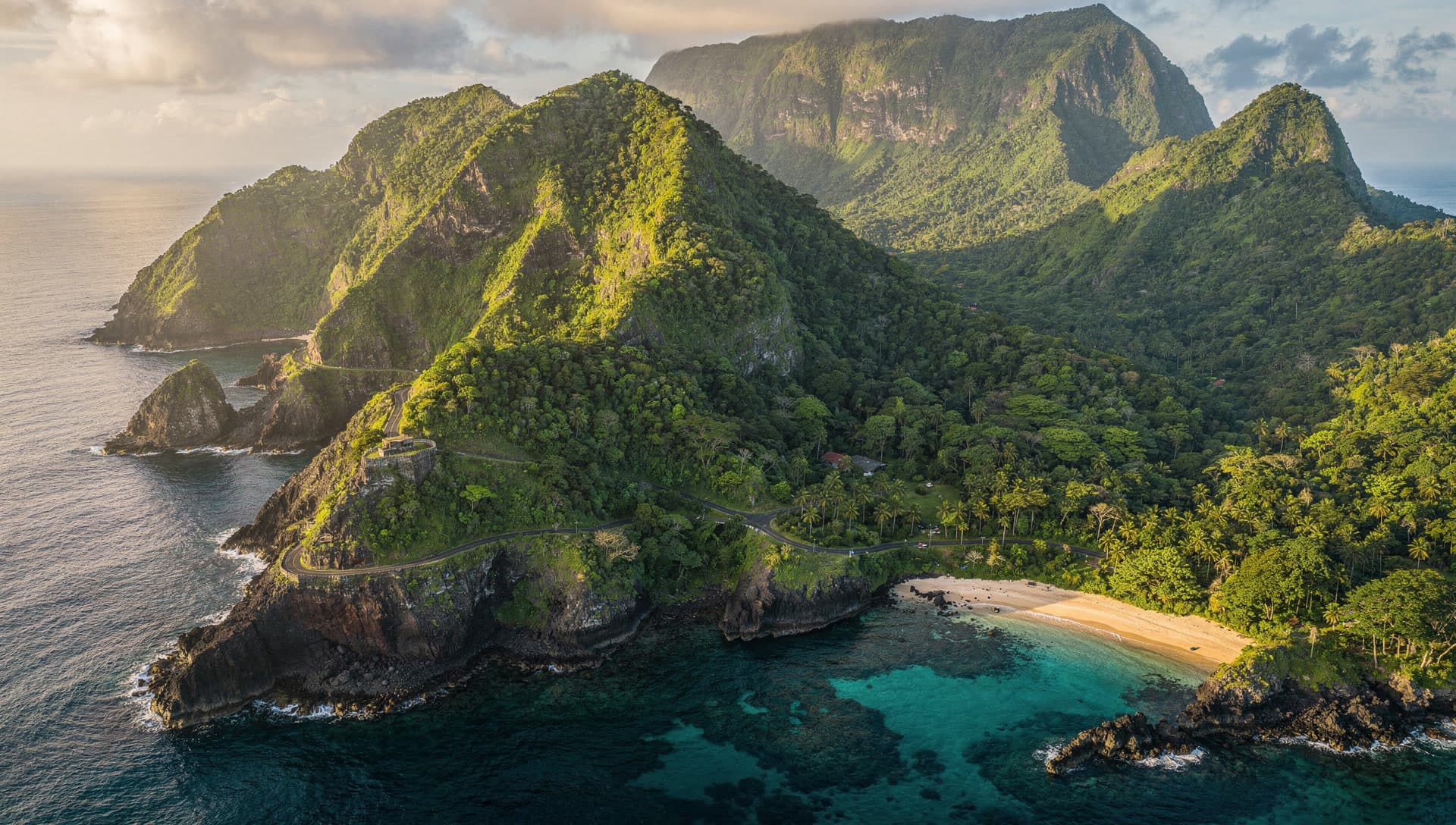
São Tomé & Príncipe is a small island nation in the Gulf of Guinea near the equator, made up of two main islands (São Tomé and Príncipe) and several smaller ones, off the coast of west Central Africa. It is worth noting that a “second passport” is mostly a legal and international-mobility decision rather than a choice of where to live for everyone.
Benefits of the São Tomé & Príncipe passport
The benefits should be seen as a package: relatively fast processing, no physical presence required, the ability to add family, and a defined level of travel access. At the same time, because the program is new, the real advantage is built when the file proceeds through the authorized route with transparent financial documents.
Key advantages: no residency or physical-presence requirement; staged payment (main payment after Approval-in-Principle); family inclusion in one file (spouse/recognized partner, children up to 30, parents and grandparents from 55); dual citizenship and citizenship by descent; relatively fast processing of around 2 to 3 months; and the CPLP advantage (residence/work/study opportunities in some Portuguese-speaking countries).
Risks of São Tomé & Príncipe citizenship
Alongside the benefits of a second passport, this program carries several notable risks that should be considered before any action, especially because the program is relatively new and applicants' practical experience depends heavily on file quality and the route taken.
Newness of the program and the risk of procedural change; the risk of rejection at Due Diligence for files with ambiguity in identity, history or source of funds; upfront process costs; differences in “passport power” claims depending on whether visa-free is counted the same as VOA/eVisa; and channel risk if an unauthorized agent is used.
Requirements and documents
Main applicant requirements: minimum age 18, a clean criminal record, valid evidence of the lawful source of income/assets (Source of Funds), and passing Due Diligence.
Core documents: a valid passport and national ID, birth certificate, civil-status documents, a standard passport photo, a police clearance certificate, and bank statements with source-of-funds evidence. Missing or incorrect documents can cause delay or rejection.
Investment method and minimum amount
In the official program structure, the investment method is defined as a contribution (Donation) to the National Transformation Fund, with the main payment made after Approval-in-Principle. The fund is presented with development goals such as renewable energy, ecotourism, education/infrastructure and a deep-water port project.
The minimum is a combination of the contribution and fixed file costs: USD 5,000 submission fee, USD 100,000 contribution for a single applicant, USD 120,000 for a family of 2 to 4, USD 5,000 per additional dependent, and USD 750 per person for citizenship documents.
Timeline, passport validity and visa-free travel
In 2026, announced timelines for issuing approvals are usually 2 to 3 months, and final timing is sensitive to document completeness and Due Diligence complexity.
Citizenship is durable and does not expire when the passport booklet does; the booklet is renewable. For booklet validity, industry sources usually report 7 years for adults; this is best confirmed through the official channel when applying.
On visa-free travel, the exact number depends on what is counted as visa-free (Visa-free, VOA, eVisa or eTA). The better approach is to list your 10 most important destinations and check each one separately.
Comparison with other CBI programs and applicant suitability
São Tomé differs from older CBI programs on three axes: a lower entry cost (from USD 100,000 versus around USD 130,000 for Vanuatu and from around USD 240,000 for Caribbean examples), the newness of the program, and a travel-access level that is usually lower than the Caribbean. If the priority is the lowest entry cost, São Tomé has an edge; if a stronger passport and longer track record matter, Caribbean programs are more established.
In the program's official criteria, there is no general explicit nationality ban announced, and the focus is on age, criminal record, source of funds and Due Diligence. For every applicant, source-of-funds scrutiny applies, the application must start through an authorized agent, and the feasibility of a lawful payment route should be checked from the outset.
Tax, living there and conclusion
For new citizens, citizenship is not the same as tax residency. Tax is usually determined by tax residency and the source of income, not by holding a passport; so if a person does not live in São Tomé and does not become a tax resident, usually only income sourced inside the country may be relevant.
São Tomé & Príncipe is a small, calm and local island nation with Portuguese as the official language; for most applicants, citizenship serves as a second passport and mobility plan rather than a definite plan to live there.
In conclusion: São Tomé citizenship by investment makes most sense for those seeking a second passport with a remote process and staged payment structure who can present a file that is transparent in terms of source of funds and background.